

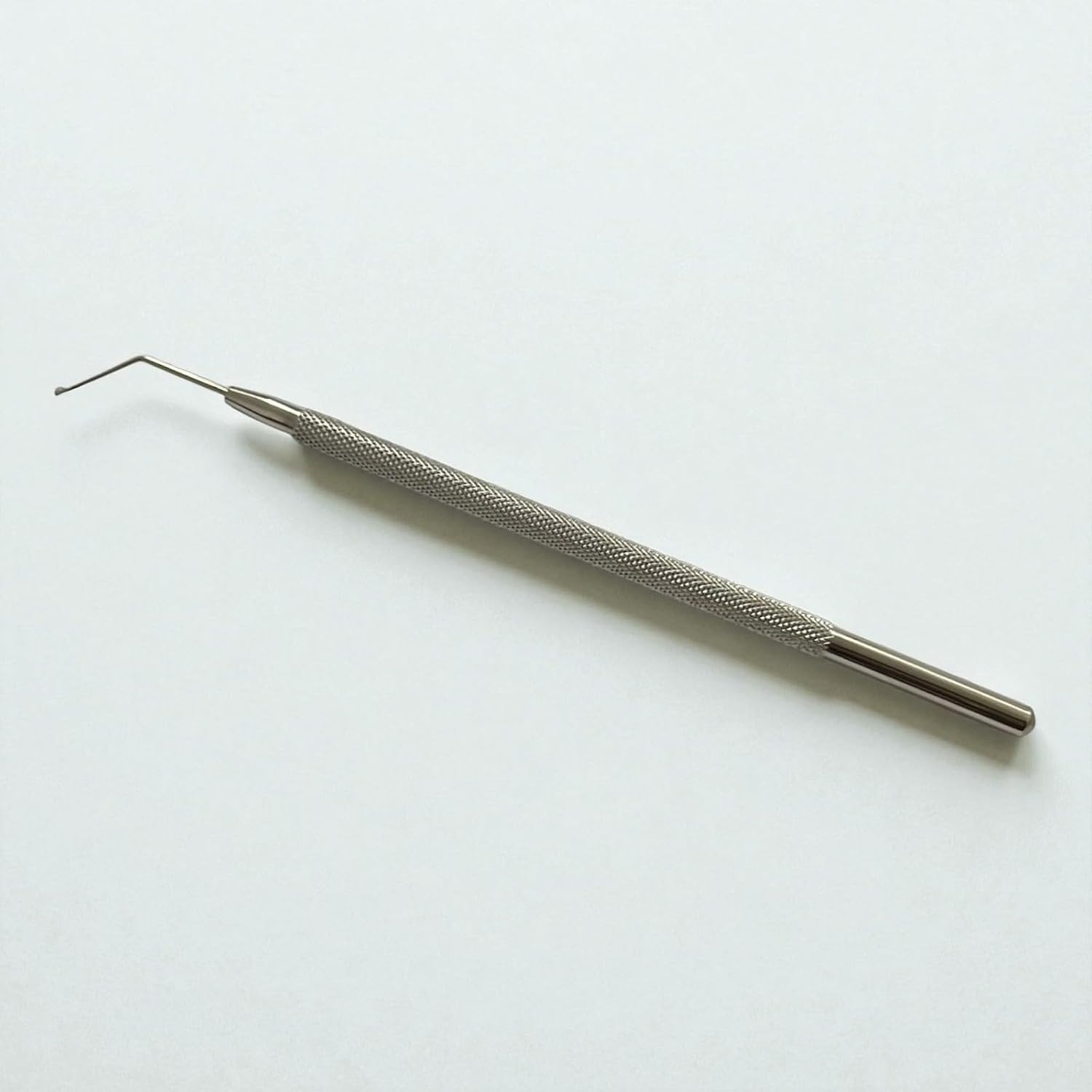
High Quality Drysdale Nucleus Manipulator Paddle Shaped tip Stainless Steel
Product details
| Management number | 234197011 | Release Date | 2026/06/27 | List Price | US$36.00 | Model Number | 234197011 | ||
|---|---|---|---|---|---|---|---|---|---|
| Category | |||||||||
Intended Use/Discipline : Ophthalmology Instrument : Drysdale Nucleus Manipulator Product Description: Drysdale Nucleus Manipulator A specialized ophthalmic instrument designed for the safe and controlled manipulation of the lens nucleus during cataract surgery. Executive Summary The Drysdale Nucleus Manipulator is a finely crafted instrument used in the critical steps of extracapsular cataract extraction (ECCE), particularly manual small-incision cataract surgery (MSICS) and sometimes in phacoemulsification. Its primary function is to guide, rotate, and express the hardened lens nucleus out of the capsular bag and through the surgical incision without compromising the surrounding structures. Key Features & Components Smooth, Rounded Tip: Design: The business end of the instrument features a slender, solid tip that culminates in a smooth, rounded, and highly polished bulb or knob-like structure. Function: This design is crucial for safety. The smooth, non-traumatic surface minimizes the risk of puncturing or tearing the delicate posterior capsule (the thin, transparent membrane that holds the lens in place) or damaging the corneal endothelium during manipulation. Angled Shaft: Design: The shaft is typically straight but may have a slight, gentle curve or angle near the tip. This angulation provides ergonomic advantages, allowing the surgeon to approach the nucleus from a comfortable hand position while keeping the instrument handle clear of the patient's face and the microscope. Function: Improves visualization and access to the anterior chamber of the eye. Serrated Handle: Design: The handle is short and often features longitudinal serrations or a knurled pattern. Function: This provides a secure, non-slip grip for the surgeon, allowing for precise control and fine movements, even when the instrument is wet. Material and Finish: Material: Manufactured from high-quality, medical-grade stainless steel. Finish: The entire instrument, especially the tip, has a high-polish, mirror finish to ensure maximal smoothness and minimize tissue drag or trauma. Primary Function and Surgical Application The Drysdale Nucleus Manipulator is used during the nucleus delivery stage of cataract surgery. After the anterior capsule is opened (capsulorrhexis) and the lens nucleus is loosened (hydrodissection), the hard central nucleus must be removed. Here's how the Drysdale is typically employed: Engagement: The instrument is introduced through a side port incision (a secondary, smaller incision). Manipulation: The smooth tip is placed against the superior edge of the lens nucleus within the capsular bag. Rotation & Tumbling: By applying gentle pressure, the surgeon uses the Drysdale to rotate the nucleus, "walking" it around to dislodge it from the bag. It can be used to tilt or tumble the nucleus, bringing the superior pole forward. Expression: In techniques like MSICS, the nucleus is then expressed (pushed out) through the main incision. The Drysdale works in tandem with an instrument placed at the scleral lip (like a sinskey hook or a second manipulator) to provide counter-pressure and guide the nucleus out smoothly and controlledly. The Problem It Solves Without a safe, dedicated nucleus manipulator, surgeons risk using instruments that are too sharp or inappropriate, which can lead to: Posterior Capsule Rupture: A serious complication where the capsule tears, potentially allowing the nucleus to fall into the vitreous cavity. Zonular Damage: Compromising the delicate fibers that hold the lens in place. Corneal Endothelial Damage: Leading to post-operative corneal swelling and reduced clarity. The Drysdale Nucleus Manipulator is designed specifically to mitigate these risks. Comparison with Similar Instruments Instrument Primary Use Tip Design Drysdale Nucleus Manipulator Manipulating & rotating the lens nucleus. Smooth, rounded, bulbous tip. Sinskey Hook Manipulating the IOL, capsulorrhexis, minor rotation. A blunt tip with a right-angled, 0.5mm hook. Lens Loop/Wire Vectis Primarily for supporting and delivering the nucleus. A spoon-like or looped platform.
- Paddle-Shaped Tip: The defining feature is a flat, smooth, and slightly rounded tip (or "paddle"). This broad, blunt surface is designed to distribute pressure evenly and safely against the delicate lens nucleus and capsular bag without causing tears or damage.
- Angled Shaft: The instrument typically has a gently curved or angled shaft, which provides ergonomic comfort for the surgeon and improves visibility by keeping the hand away from the operative field.
- Stainless Steel Construction: Made from high-quality, medical-grade stainless steel, ensuring durability, precision, and the ability to withstand repeated sterilization.
- Enhanced Safety: The broad, blunt paddle tip minimizes the risk of puncturing or tearing the posterior capsule, a critical complication during cataract surgery.
- Excellent Control: Provides fine control for precise manipulation and rotation of the lens nucleus.
- Procedural Efficiency: Facilitates smoother and more controlled nucleus management, contributing to a safer and more efficient surgical outcome.
| ASIN | B0G4FGBFZ5 |
|---|---|
| Manufacturer | Lifecare Surgicals |


Bestseller ranking
Makeup Remover




Customers who viewed this product also viewed
Surgical Instrument Kits




Correction of product information
If you notice any omissions or errors in the product information on this page, please use the correction request form below.
Correction Request Form